
5.1 KiB
I’m sharing this with you because your Stella Ops vision for vulnerability triage and supply‑chain context beats what many current tools actually deliver — and the differences highlight exactly where to push hard to out‑execute the incumbents.
Where competitors actually land today
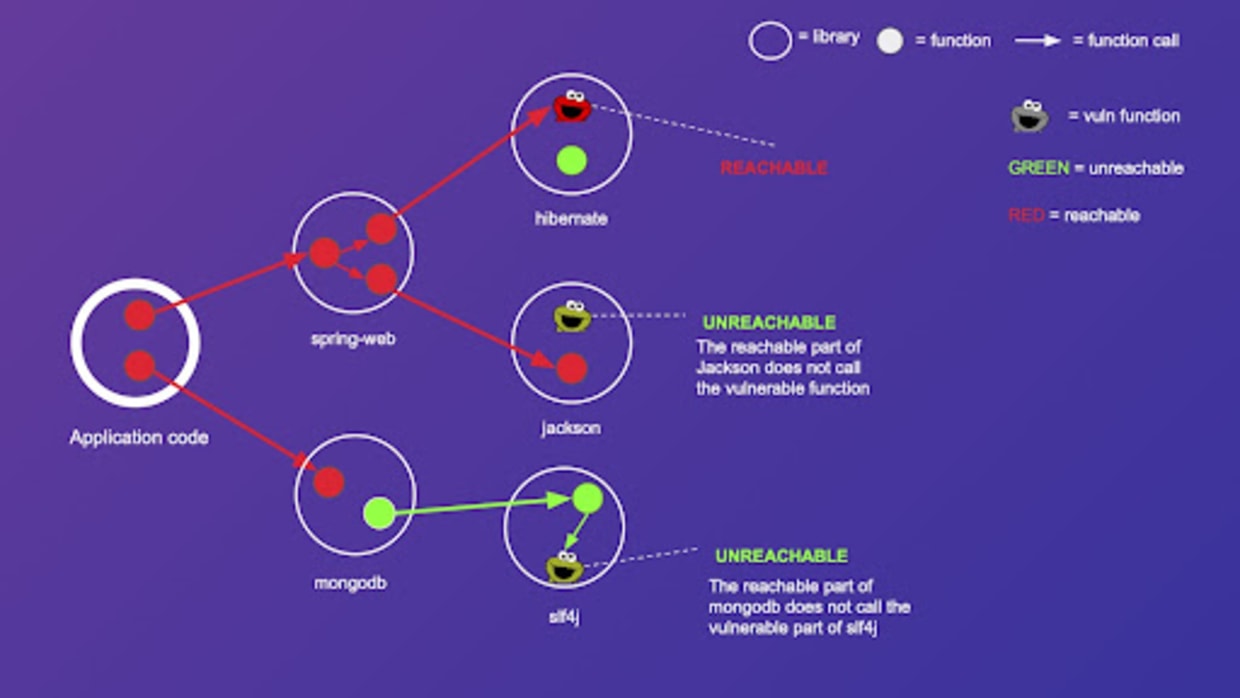
Snyk — reachability + continuous context
- Snyk now implements reachability analysis that builds a call graph to determine if vulnerable code is actually reachable by your application. This is factored into their risk and priority scores to help teams triage what matters most, beyond just severity numbers. (Snyk Docs)
- Their model uses static program analysis combined with AI and expert curation for prioritization. (Snyk Docs)
- For ongoing monitoring, Snyk tracks issues over time as projects are monitored and rescanned (e.g., via CLI or integrations), updating status as new CVEs are disclosed — without needing to re‑pull unchanged images. (Snyk Docs)
Anchore — vulnerability annotations & VEX export
- Anchore Enterprise has shipped vulnerability annotation workflows where users or automation can label each finding with context (“not applicable”, “mitigated”, “under investigation”, etc.) via UI or API. (Anchore Documentation)
- These annotations are exportable as OpenVEX and CycloneDX VEX formats so downstream consumers can consume authoritative exploitability state instead of raw scanner noise. (Anchore)
- This means Anchore customers can generate SBOM + VEX outputs that carry your curated reasoning, reducing redundant triage across the supply chain.
Prisma Cloud — runtime defense
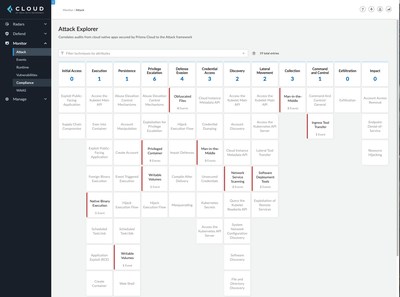
- Prisma Cloud’s runtime defense for containers continually profiles behavior and enforces process, file, and network rules for running workloads — using learning models to baseline expected behavior and block/alert on anomalies. (Prisma Cloud)
- This gives security teams runtime context during operational incidents, not just pre‑deployment scan results — which can improve triage but is conceptually orthogonal to static SBOM/VEX artifacts.
What Stella Ops should out‑execute
Instead of disparate insights, Stella Ops can unify and elevate:
-
One triage canvas with rich evidence
- Combine static reachability/evidence graphs with call stacks and evidence traces — so users see why a finding matters, not just “reachable vs. not”.
- If you build this as a subgraph panel, teams can trace from SBOM → code paths → runtime indicators.
-
VEX decisioning as first‑class
- Treat VEX not as an export format but as core policy objects: policies that can explain, override, and drive decisions.
- This includes programmable policy rules driving whether something is actionable or suppressed in a given context — surfacing context alongside triage.
-
Attestable exception objects
- Model exceptions as attestable contracts with expiries and audit trails — not ad‑hoc labels. These become first‑class artifacts that can be cryptographically attested, shared, and verified across orgs.
-
Offline replay packs for air‑gapped parity
- Build offline replay packs so the same UI, interactions, and decisions work identically in fully air‑gapped environments.
- This is critical for compliance/defense customers who cannot connect to external feeds but still need consistent triage and reasoning workflows.
In short, competitors give you pieces — reachability scores, VEX exports, or behavioral runtime signals — but Stella Ops can unify these into a single, evidence‑rich, policy‑driven triage experience that works both online and offline. You already have the architecture to do it; now it’s about integrating these signals into a coherent decision surface that beats siloed tools.
-- Note from the the product manager. Note there is AdvisoryAI module on the Stella Ops suite